As data centers continue to drive exponential growth in AI, cloud computing, and digital infrastructure, power availability has become the ultimate differentiator. TECfusions is at the forefront of this evolution, embracing new energy strategies that ensure cost efficiency, reliability, and sustainability. A significant factor driving this change is the issuance of FERC orders, which permit data centers to engage in wholesale electricity markets by utilizing distributed energy resource (DER) aggregations.
A New Era of Energy Flexibility
New policy guidelines present a game-changing opportunity: data centers can now monetize their energy assets—backup generators, battery storage, and demand response capabilities—by integrating with wholesale markets. This flexibility not only strengthens grid stability but also provides new revenue streams for operators that previously relied on fixed utility models.
At TECfusions, this translates into a more dynamic approach to energy management. By strategically deploying on-site power generation and microgrid solutions, our facilities reduce dependence on traditional utilities while gaining the ability to adjust energy loads in real time.
Cost Savings and Locked-In Power Pricing
One of the biggest benefits of TECfusions’ power strategy is our ability to lock in power pricing, offering stability compared to fluctuating utility rates. While traditional power pricing is dictated by interconnect agreements and market variability, our on-site generation model ensures predictable costs, mitigating the risks associated with volatile energy markets. By the end of 2026, utility price increases driven by interconnect rates will rise by 900%; locking in pricing with a provider that is generating their own electricity will be the only way to outlast the economic impact of these rate changes. Many data center providers who are unprepared will quickly be out of business, with tenants left stranded or footing a larger lease bill than they could ever have anticipated.
Additionally, by participating in demand response programs and selling excess capacity back to the grid, TECfusions maximizes cost efficiency while maintaining the highest levels of operational uptime.
Microgrids: The Future of Data Center Power
With energy policy changes accelerating the adoption of microgrid technology, TECfusions is investing in dedicated power infrastructure that enhances resilience and sustainability. By integrating renewable energy sources and advanced energy management systems, we’re building self-sustaining, highly efficient facilities that redefine the industry’s approach to power.
Our commitment to microgrid deployment ensures:
Greater energy independence from utility constraints.
Reduced carbon footprint by optimizing renewable integration.
Improved reliability through localized power distribution.
Preparing for the Future
While some markets won’t fully comply with FERC guidelines until 2026, TECfusions is already leveraging its advantages to drive innovation and efficiency. By embracing adaptive energy strategies today, we are securing the long-term sustainability of our data centers while providing customers with power solutions that meet the evolving demands of AI and high-density computing.
As the industry navigates these shifts, TECfusions remains committed to leading the charge—ensuring cost-effective, sustainable, and future-proof power solutions for the digital economy.
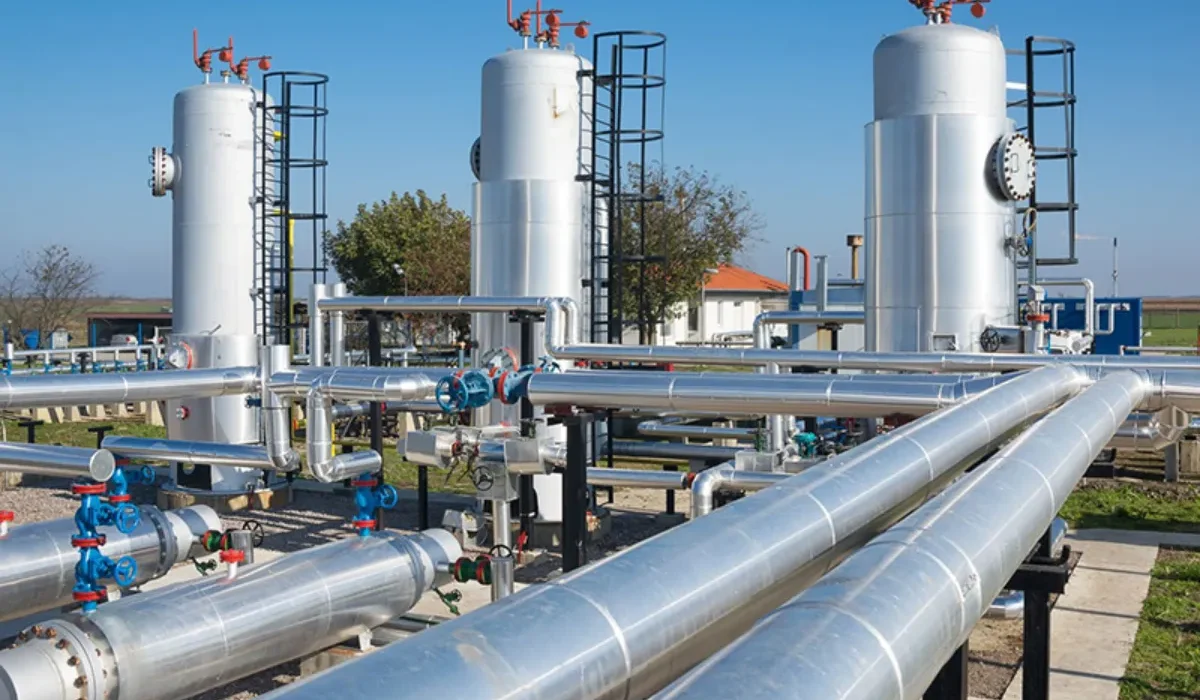
As the demand for high-performance computing and AI-driven workloads accelerates, the data center industry faces mounting pressure to secure reliable, scalable, and cost-effective power sources. TECfusions has taken a decisive step toward addressing these challenges by integrating on-site natural gas power generation into our power generation strategy.
One of the most immediate benefits of on-site natural gas generation is enhanced reliability. The increasing instability of the traditional power grid—driven by aging infrastructure and growing demand—poses significant risks for data center operators. By deploying natural gas-powered microgrids alongside dual utility feeds, TECfusions gains greater control over our power supply. This mitigates the risk of outages and shields operations from fluctuating energy prices, providing a stable foundation for mission-critical workloads.
Beyond reliability, our strategy enables a substantial increase in power capacity. The computational needs of AI and high-performance computing are rapidly outpacing traditional grid capabilities, making alternative power solutions essential. On-site generation allows us to deliver significantly more power than what is typically available from grid-only sources, ensuring the infrastructure keeps pace with evolving technological demands.
Environmental impact remains a pressing concern for the industry. While natural gas is not a zero-emission solution, it is often cleaner than alternative fossil fuel options. TECfusions asserts that its approach—integrating natural gas power with efficient distribution systems—reduces reliance on conventional grid power, which in many regions is more carbon-intensive. While natural gas combustion still produces emissions, its strategic use in high-efficiency systems can contribute to an overall lower carbon footprint compared to traditional models.
Cost efficiency is another compelling advantage of natural gas power generation. Compared to diesel and, in many cases, grid electricity, natural gas offers a lower-cost alternative that enhances long-term financial sustainability. This economic advantage extends to our clients, who benefit from more predictable energy costs and competitive pricing structures.
The ability to rapidly deploy data centers in areas where the grid may be constrained is also a game-changer. In locations where traditional infrastructure expansion is slow or prohibitively expensive, on-site power generation enables TECfusions to accelerate construction timelines, bringing new facilities online faster than conventional buildouts. This agility is critical in a market where speed to deployment dictates ROI. Regulatory advantages also come into play. Natural gas generators typically produce lower emissions than diesel counterparts, potentially simplifying permitting processes. This can reduce delays and administrative hurdles, further expediting our ability to bring new capacity online.
Moreover, our plan to export excess power to the local grid further underscores our commitment to community engagement. By sharing surplus energy, we can bolster local infrastructure, provide economic benefits, and support regional resilience. This model strengthens relationships with our surrounding communities and also aligns with broader efforts to modernize and stabilize power distribution networks.
Incorporating on-site power generation into adaptive reuse projects adds another layer of sustainable value. With our demonstrated commitment to revitalizing industrial sites, such as the former Alcoa R&D campus, by transforming them into high-powered digital infrastructure hubs, we not only breathe new life into underutilized properties but also reinforce sustainability efforts by reducing the need for entirely new construction.
Moreover than exporting power back to the grid, we are able to repurpose the steam and heat from the turbines generating power to lower the PUE as well as sending heat back to the local communities.
TECfusions’ strategy to offer a more resilient, efficient, and scalable power solution appeals to companies prioritizing uptime, sustainability, and long-term cost stability. As we move toward our ambitious goal of deploying 3 GW of capacity over six years at its Keystone Connect site in Upper Burrell, PA, this model demonstrates the scalability required for sustained growth in an increasingly energy-intensive industry.
The implications of TECfusions’ natural gas-powered approach extend well beyond individual facilities. By redefining how data centers secure and manage power, the company is helping to shape the future of an industry that is increasingly reliant on high-density compute environments. As demand for AI, cloud computing, and edge services surges, companies will need to adopt forward-thinking energy strategy positions it to succeed in the next evolution of digital infrastructure.