

TECfusions’ Strategic Approach to Sustainable Data Centers
By Simon Tusha
In the data center industry, discussions around decarbonization often focus on direct operational emissions, categorized as scope 1 and scope 2. However, scope 3 emissions, the indirect emissions embedded in supply chains, materials, and construction activities, represent a significant but sometimes overlooked portion of the environmental impact. At TECfusions, integrating scope 3 emission considerations into development and operational strategies is key to advancing sustainable digital infrastructure.
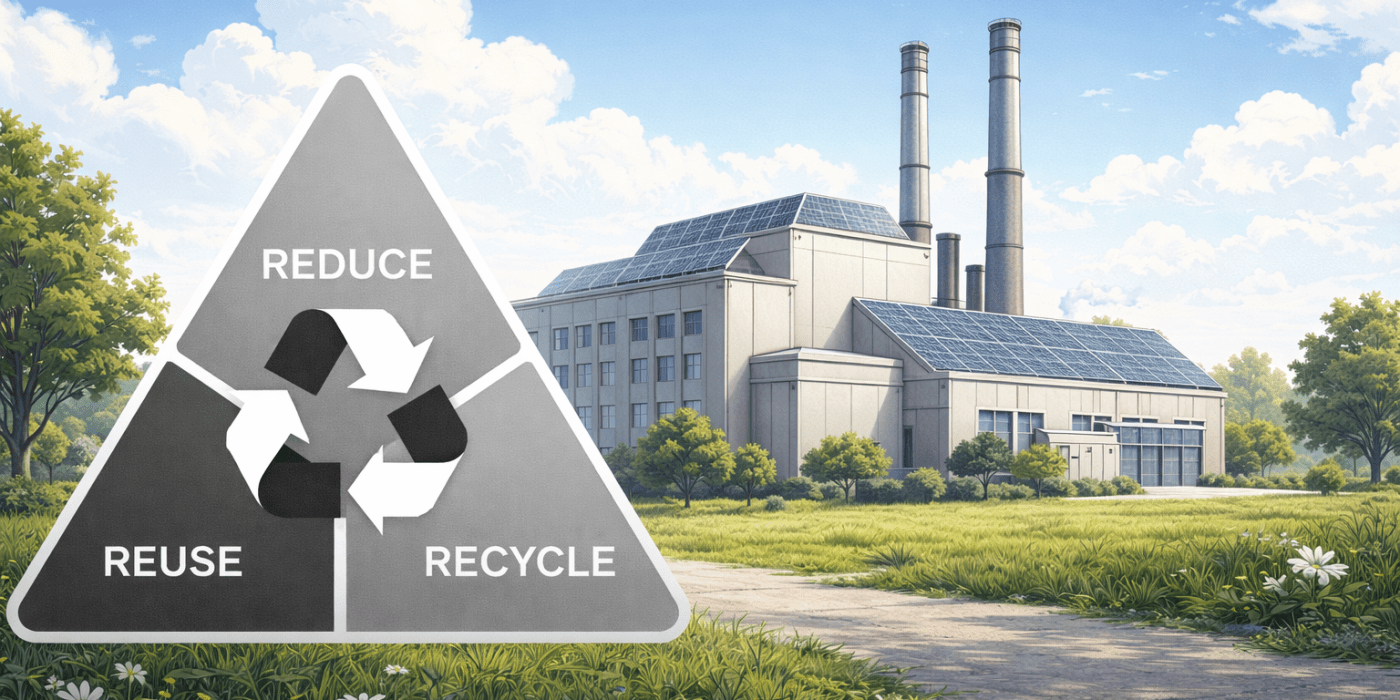
One of the most impactful levers to reduce these upstream emissions is the adaptive reuse of existing industrial buildings. The greenhouse gas emissions associated with raw material extraction, manufacturing, transportation, and construction comprise decades of embodied carbon that are locked into these structures. By repurposing facilities rather than building from the ground up, TECfusions unlocks this embodied carbon to prevent extensive emissions that come with new construction. This strategy is how we embrace the environmental benefits of decarbonization planning, making concerted efforts to thoughtfully and drastically cut lifecycle emissions.
Facility reuse does more than lower carbon footprints. It accelerates project timelines significantly, bypassing lengthy permitting and foundational build phases typical of new construction. This time-to-market advantage positions TECfusions’ tenants to meet growing compute demand rapidly and profitably. Furthermore, costs associated with raw materials and construction labor have become increasingly volatile due to global supply chain disruptions. Repurposing an existing structure mitigates exposure to these fluctuations, providing financial predictability alongside environmental gains.
Equally important, historic or industrial facilities often come with inherent design features that support efficient data center operations. High ceilings, robust structural loads, and generous power and cooling infrastructure allow for flexible upgrades without extensive retrofitting. TECfusions leverages these characteristics to optimize energy use and reduce operational emissions, which complements scope 3 savings by addressing scope 1 and scope 2 emissions on the tenant side. Strategic facility reuse also supports circular economy principles by extending the functional life of built assets and diverting demolition waste from landfills. This holistic view of sustainability is critical as our industry strives to meet ambitious environmental targets.
By prioritizing adaptive reuse and lower‑carbon infrastructure, TECfusions gives customers tangible levers to reduce the embodied emissions that sit in their Scope 3 categories under the Greenhouse Gas Protocol. Because our projects preserve existing structures and avoid a large share of new materials and construction, we help tenant customers report lower lifecycle emissions intensity per megawatt or per rack, which directly supports alignment with GHG Protocol–based inventories and the climate targets disclosed through frameworks such as the Carbon Disclosure Project. For enterprises pursuing science-based or net-zero commitments, TECfusions’ approach turns data center site selection and facility strategy into a credible part of their decarbonization roadmap, improving the quality of Scope 3 data and the reports they bring to investors, regulators, and other stakeholders tracking progress against recognized carbon accounting standards.
TECfusions’ approach is a practical demonstration of sustainability that moves beyond theoretical or ideological means. By prioritizing adaptive reuse, our company turns embodied carbon preservation into measurable progress and business value. This dual focus ensures not only cleaner data center infrastructures but also positions our company and clients as leaders responding conscientiously to demands for transparency and accountability in emissions reporting.
As the industry pushes toward comprehensive decarbonization, integrating scope 3 emissions into project planning and advancing adaptive reuse will become increasingly essential. TECfusions’ strategy demonstrates how sustainable practices can coexist with the high-performance demands of modern data centers, unlocking a greener, more efficient digital future.